




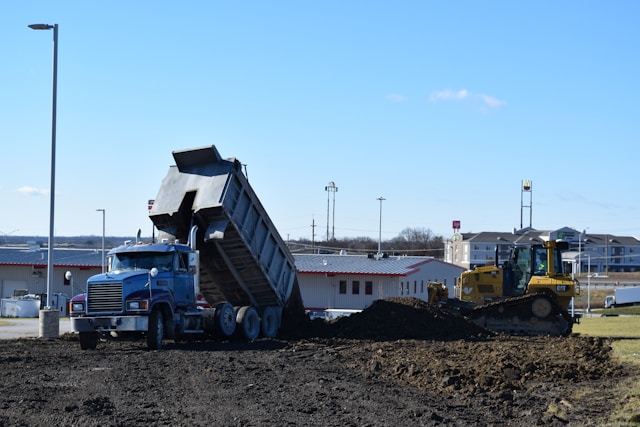
Choosing the Ideal Dump Truck: A Comprehensive Guide
Key Takeaways
- Choose a dump truck based on your industry needs, terrain, and project size for better efficiency and cost-effectiveness.
- Dump trucks vary by type, from standard to specialized models like articulated or super dump trucks.
- Consider engine power, capacity, terrain, safety features, and budget to ensure long-term performance and value.
Introduction to Dump Trucks
Dump trucks are the unsung heroes of industries like construction, landscaping, and waste management. These robust machines are designed to efficiently carry and unload large volumes of materials, helping projects run smoothly and on schedule. Understanding the specific needs of your industry and project size plays a vital role in selecting the right truck. Often, decisions on whether to consider dump trucking Fort Wayne IN or elsewhere depend on factors such as terrain and accessibility, alongside the truck’s capabilities.
To make an informed decision, one must delve into various aspects, such as the dump truck types, sizes, engine specifications, and safety features. A strategic approach in evaluating these elements can significantly enhance operational efficiency and cost-effectiveness, leading to a more successful project execution.
Understanding Different Types of Dump Trucks
Dump trucks are not one-size-fits-all; they are tailored to specific tasks, each with its own set of advantages. Let’s break down the most common types:
- Standard Dump Truck: The most commonly seen model, equipped with a hydraulic lift that raises the dump box to unload materials. This type is highly versatile, suitable for many standard projects.
- Articulated Dump Truck: Known for its ability to navigate rough terrain, this truck features a pivot joint that enhances maneuverability, making it ideal for mining and large-scale earthmoving tasks.
- Transfer Dump Truck: This option includes an additional trailer attached, which can be filled and exchanged quickly, boosting payload capacity without sacrificing agility, particularly useful for highway projects.
- Side Dump Truck: With a bed that tilts to the side, this truck allows for rapid unloading and material spreading, reducing time spent on-site when working with loose materials like gravel or dirt.
- Super Dump Truck: Designed for heavy loads, it features extra axles to distribute weight effectively, making it optimal for massive infrastructure projects.
Assessing Capacity and Size Requirements
The size and capacity of a dump truck are crucial in ensuring it meets the demands of your specific work. Capacity is generally measured in cubic yards, and selecting the right volume capacity can dramatically impact project efficiency. Trucks too small for your needs might lead to excessive trips, increasing fuel and labor costs, whereas overly large trucks can prove cumbersome and wasteful.
Understanding the right size and style helps streamline your operations. A truck that matches the scale of your project can enhance logistics and reduce unnecessary delays, fostering a smoother workflow.
Evaluating Engine Power and Performance
The engine is essentially the heart of the dump truck. Its power and performance determine how well a truck can handle the physical demands of transporting heavy loads, particularly uphill or over soft terrains. Engines are typically measured in horsepower, with higher ratings offering more robust performance.
However, it’s not all about power. Fuel efficiency and maintenance are also pivotal, as they contribute to the overall running costs. A balance between these factors ensures that the dump truck remains viable for a range of applications, contributing to more sustainable operations.
Considering Terrain and Conditions
The operating environment significantly influences truck selection. Trucks designed for rough, off-road conditions require features such as high ground clearance, reinforced suspension, and all-wheel drive to navigate effectively. Such trucks are valuable in construction sites or quarries where road conditions are less than ideal.
Conversely, if your operations are primarily in urban settings, maneuverability, emission standards, and environmental regulations become more relevant. Here, features like tighter turning radii and eco-friendly exhaust systems are prioritized to meet local requirements and ensure seamless operations.
Examining Cost and Budget Considerations
Your budget is a key factor affecting dump truck selection. While new trucks offer the latest features and technologies, used vehicles can provide greater value for money, especially for smaller businesses or temporary projects. Evaluating long-term costs, including maintenance and potential repairs, plays a crucial role in making a cost-effective choice.
Moreover, exploring financing options can ease the financial burden, allowing for investment in more reliable and efficient models. This strategy can help manage cash flow, enabling you to focus financial resources on other critical areas of your business.
Safety Features to Look For
Safety should always remain a top priority when selecting any heavy-duty vehicle. With technological advancements, modern dump trucks have an array of features designed to enhance safety. Anti-lock braking systems, rollover protection, blind-spot monitoring, and stability control are just a few of the critical enhancements available in newer models.
Conclusion: Making the Right Choice
Choosing the ideal dump truck requires a holistic approach, balancing multiple factors such as type, capacity, engine power, terrain suitability, and safety features. By aligning these attributes with your operational demands and budgetary constraints, you can ensure your investment translates into tangible benefits for your projects. Careful consideration and sufficient research will invariably lead you to a decision that supports efficiency, safety, and cost-effectiveness in your logistical operations.
