



How to Spot Problems in Your Engine Room Parts
Key Takeaways:
- Regular inspection and maintenance are crucial for identifying issues in engine room parts.
- Common signs of engine room problems include unusual noises, vibrations, and leakage.
- Prompt identification and resolution of issues can prevent costly repairs and downtime.
Table of Contents:
- Introduction
- The Importance of Regular Inspection
- Common Signs of Problems
- Step-by-Step Inspection Guide
- Preventative Maintenance Tips
- Conclusion
Introduction
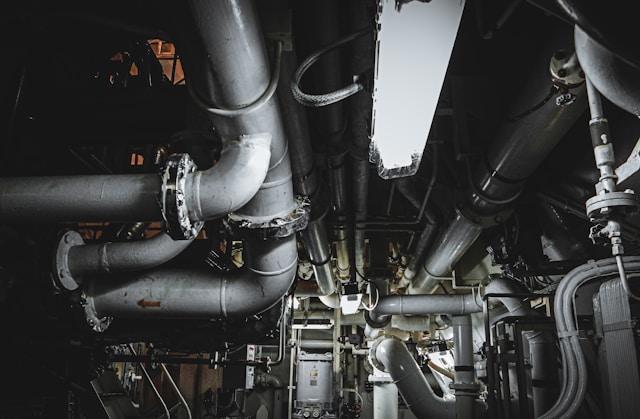
Marine engine rooms are the heart of any vessel, housing complex machinery that powers the ship across vast oceans. To ensure that these components operate efficiently and safely, inspecting and maintaining them regularly is essential. By spotting potential problems early, you can avoid severe damage and costly repairs. This article will guide you through identifying issues in your engine room parts, offering practical tips and advice.
The Importance of Regular Inspection
Regular inspection of marine engine room parts is vital for any maritime operation. By routinely checking these components, you can detect signs of wear and tear that might lead to more significant issues if left unaddressed. Inspections help maintain the optimal performance of the engine room machinery, preventing unexpected failures during crucial moments. Moreover, identifying problems early leads to efficient maintenance planning and reduced operational downtime, ensuring the vessel’s journey is smooth and uninterrupted.
Common Signs of Problems
Being attuned to the common signs of engine room problems can help technicians and crew members act swiftly to mitigate risks. Some prevalent indicators include:
- Unusual Noises: Grinding, knocking, or rattling sounds often suggest mechanical issues such as loose or worn parts.
- Vibrations: Excessive vibration can indicate imbalanced or misaligned components, which, if unaddressed, can lead to significant damage.
- Leakage: Fluid leaks, such as oil or coolant, can signify deteriorated seals or failure in piping systems.
- Overheating: Increasing temperature readings may highlight issues with the cooling system, potentially leading to engine malfunction.
Step-by-Step Inspection Guide
- Visual Inspection: Begin with thoroughly examining all engine room parts. Look for visible wear, corrosion, or damage on machinery and piping.
- Listen Closely: Listen to sounds emitted by the engine and auxiliary parts. Use sound monitoring tools to detect abnormal acoustics.
- Check Connections: Inspect all electrical and hydraulic connections for looseness or signs of corrosion, which could impact functionality.
- Monitor Fluid Levels: Verify that all fluids, such as oil, fuel, and coolant, are at appropriate levels and contamination-free.
- Analyze Vibration: Employ vibration analysis tools to identify irregularities in machinery movement that could suggest alignment or bearing issues.
Preventative Maintenance Tips
Implementing a robust preventative maintenance plan can significantly prolong the lifespan of your engine room parts and reduce the likelihood of breakdowns. Consider these tips:
- Scheduled Servicing: Adhere to a consistent maintenance schedule based on manufacturer recommendations and the vessel’s operational demands.
- Component Replacement: Replace worn parts proactively rather than waiting for them to fail entirely, reducing the risk of collateral damage to surrounding parts.
- Staff Training: Ensure crew members are trained to perform essential inspections and recognize early warning signs of issues.
- Documentation: Keep detailed records of inspections, repairs, and parts replacements to inform maintenance decisions and forecast future needs.
Conclusion
Spotting problems in your engine room parts is essential to ensuring the safety and efficiency of maritime operations. Inspecting and maintaining these vital components can prevent severe damage and avoidable downtime. By understanding the common signs of wear, following a systematic inspection process, and implementing a preventative maintenance strategy, you can sustain the health and performance of your vessels. Remember, proactive attention to your engine room parts attunes you to their needs and keeps your maritime journeys free from avoidable hazards.
